

Utterly enticed is how I felt as I opened the cover of Özlem Warren’s latest cookbook Sebze: Vegetarian Recipes from My Turkish Table. As a vegetarian cooking for a family of vegetarians I am always looking for delicious, nourishing recipes for my family to enjoy and, flipping through Sebze (which means “vegetable” in Turkish), Warren has offered such a wonderful variety of vegetable-based, meatless Turkish recipes to choose from.
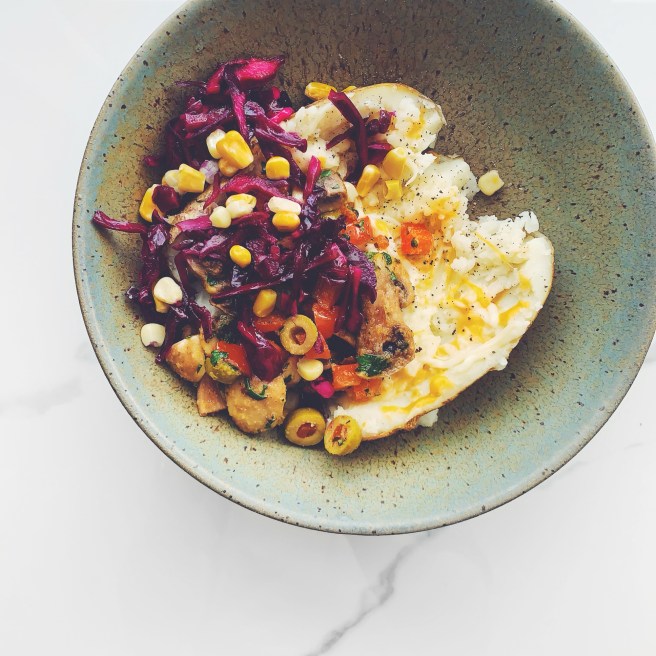
Throughout the introduction Warren provides home cooks with a nuanced look at the culture, food, and regionality of her homeland of Türkiye (she tells us “In 2021, via the United Nations, the government officially replaced Turkey with Türkiye” and so, throughout the book she uses Türkiye followed by the English translation) (6). After living in the US, one of the driving forces to write this book centered on expanding the knowledge of Turkish cuisine outside of Turkey past the strong association with the kebab. Through the vibrant recipes in Sebze, Warren shows “the different ways [they] enjoy seasonal vegetables, legumes and wholegrains.” (7) Another aspect of Turkish home cooking that Warren emphasizes is on the idea of sustainability and zero waste. Where applicable, she shows home cooks how to use and enjoy any leftover ingredients or dishes. And, I found examples where a component for one recipe was the perfect companion for another – the quick pickled red cabbage I made for the Karişik Mevsim Salarasi (Zingy Salad w/ Red Cabbage, Carrot and Sweetcorn) was used for the Kumpir (Turkish-Style Baked Potato w/ toppings).
The 85 recipes in Sebze are organized into 11 chapters: 1) Ekmek, Börek, Pide (Bread and Savoury Bakes), 2) Kahvalti (All-Day Breakfast), 3) Çorba (Soups), 4) Meze, 5) Salata (Salads), 6) Zeytinyağli (Vegetables Cooked in Olive Oil), 7) Sokak Yemekleri (Street Food), 8) Pilav, Bulgurlu, Mercimekli Tatlar (Wholegrains, Pulses and Rice), 9) Ocak ve Firin Yemekleri (Casseroles, Stews and Pasta), 10) Turşu, Salça ve Soslar (Pickles, Condiments and Sauces), and 11) Kek, Kurabiye, Tatlilar (Sweets). In one of the opening sections of the book – Essential Ingredients – Warren outlines what home cooks can expect to use ingredient-wise. Some of the ingredients are commonly found in any grocery store (for example: olive oil, chickpeas, dried fruit, filo pastry, yogurt, herbs, etc) and, the ones that are specifically Turkish, like the Beyaz peynir (brined cheese), she provides suggestions for substitutions. She also encourages home cooks to swap ingredients where/when they need to, based upon dietary needs/preferences.
Do you know what recipe I dream about? Warren’s recipe for Kumpir (Turkish-Style Baked Potato w/ toppings). I topped ours with the Zeytinli Mantar Sote (Sautéed Garlicky Mushrooms w/ Peppers and Olives) and quick pickled red cabbage. Once the potatoes are done roasting, the potato flesh is mashed with butter then seasoned with salt and pepper. After this initial mashing you add shredded cheese then mash ’n’ mix once more. Toppings are added to each potato and, even after that first bite, I wondered if anything could taste more sublime. These Turkish-style baked potatoes are the stuff of dreams!


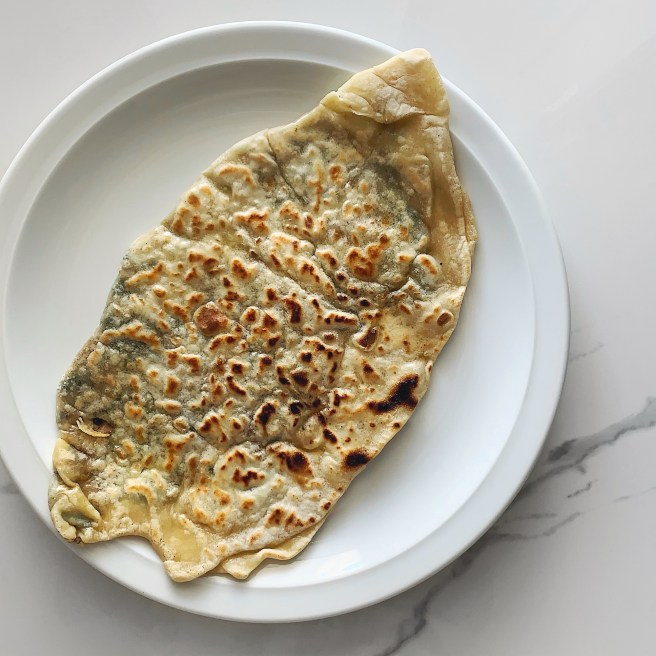
As Warren tells us in the recipe notes, gözleme are one of her “nation’s favourite snacks.” As I found when I tried her recipe for Patatesli, Ispanakli Gözleme (Stuffed Flatbreads w/ Potato and Spinach), they are very easy to make as well. The dough for these flatbreads is quick to make and does not require yeast. Once the flour, salt, olive oil, and water are mixed together and the dough has been kneaded, it is left covered to rest. As I started to work with the dough, it had such a lovely, satiny texture and, as I learned, the key to rolling out the flatbreads is to get the dough very thin (this way it will cook through once it’s stuffed and sizzling away on the pan). As each gözleme is taken from the pan, it’s slathered with butter and served warm. While this is a popular street food in Türkiye (Turkey), it was simple to make at home. Warren also gives home cooks many other possible fillings to enjoy too, making it such a versatile dish.
After my friend taught me how to successfully make rice, I feel less apprehensive when trying new rice-based recipes. This is especially important because rice is one of my husband’s favourite things to eat! Which is why I made the recipe for Nohutlu Pilav (Pilaf with Chickpeas). Using 3 main ingredients, rice, butter, and chickpeas, this humble dish is so delicious and comforting. We ate the pilaf on its own but Warren gives suggestions on how to enjoy it as part of a meal with salad or pickles on the side.

A Sebze favourite with my family is the Simit (Sesame-Encrusted Turkish Bread Rings). While being “the most quintessential Turkish snack,” it’s not one that’s commonly made at home in Türkiye (Turkey) and was one that Warren greatly missed when she moved abroad. Happily she came across a recipe which she has been using for over a decade to make her own simit at home. The process is easy enough – the ingredients are mixed together and the dough is kneaded, then left to rise. As this is a yeasted dough, the dough gets satisfyingly pillowy as it rises. The dough is fashioned into twisted rings which are dipped in a mixture of molasses and water, then coated with sesame seeds and baked in the oven. The recipe yields 8 simit which my family of 3 ate in almost one go! I took her serving suggestions and offered the Simit alongside boiled eggs, marinated feta, and cut vegetables.
I have already made over a half-dozen recipes from Sebze and I’ve enjoyed the food and warmth that Warren offers. Warren shows the vibrancy and variety of the Turkish vegetable-based dishes she loves so well. I also appreciate how seamlessly these recipes have fit into my weekly cooking routine and have given my family so many delicious meals to look forward to!
I would like to take this opportunity to thank Hardie Grant USA for providing me with a free, review copy of this book. I did not receive monetary compensation for my post, and all thoughts and opinions expressed are my own.


 Shipshape Eatworthy